There Was An Old Lady Who Swallowed A Rose!
About This Story
The valentine is finished, but your child adds one more sticker, then more glitter, then a second heart, and the glue is still wet. There Was an Old Lady Who Swallowed a Rose! runs on exactly that same impulse, and it is a Valentine’s read aloud a preschooler can soon run without you. The line to listen for is the refrain: “I don’t know why she swallowed the rose, but that’s how it goes.” It returns after every single swallow, and it never once explains. Seven swallows, seven returns. Each new item has a reason that chains back to the rose, so the nonsense holds together like a plan. Your child supplies what the rhyme leaves out: the next item, the rhyming word, the guess about what all of it is for. Lucille Colandro wrote the verse, and Jared Lee draws the lady’s belly one item bigger per page. For chant-along structure, this is the one to hand over first.
As an Amazon Associate, we earn from qualifying purchases.
What Happens in the Story
The first swallow makes the rule. The lady takes in a rose, and the rhyme admits it has no reason: “I don’t know why she swallowed the rose, but that’s how it goes.” Then comes lace, and the lace has a job, to tie to the rose. Glitter follows to trim the lace. Every item arrives with a couplet of its own, “She didn’t race to swallow that lace,” “She wasn’t a quitter to swallow the glitter,” and the chain grows one link per page. By the third swallow your child has the shape of it: something new goes down, something old gets a reason, and the refrain closes the loop.
The middle swallows belong to your child. Candy arrives next: “It was fine and dandy to swallow that candy,” and it garnishes the glitter. Then a jewel: “She wasn’t a fool to swallow that jewel,” brightening the candy. Hearts follow: “She showed her smarts by swallowing those hearts,” to surround the jewel. The chain is now six items long, and the verse repeats every earlier link each time, so nobody stays lost for long. Pause before the couplet’s last word; let your child land it: dandy, fool, smarts. The book hands over the timing, and your child keeps it.
The last swallow is a card. “It wasn’t hard to swallow the card,” the verse says, and the refrain returns one final time. What the card starts, and what the lady does with all seven things, is the page you turn to together. The last spread stays for your own read.
Why It Works for Family Read Aloud
CASEL lists relationship skills as the abilities to build and keep healthy, supportive relationships, and among them it names communicating clearly, listening actively, cooperating, and offering help when needed. Most Valentine’s books deliver care as a declaration: someone says the feeling straight out, and the page underlines it. This one is the exception. The lady never says a word about love. She builds, swallow by swallow, and the refrain refuses to explain why, so the care lives in the making instead of the telling. Every link is a small act of attention: the lace ties, the glitter trims, the candy garnishes, the jewel brightens, the hearts surround. Your child watches affection accumulate like glitter on lace, and the card spread pays it off in a smile, a laugh, and a blown kiss.
That payoff is what a preschooler can act on. The chain gives your child two jobs while you read: predict the next item, and supply the rhyme word before you do. Both jobs come down to hearing a pattern and trusting it enough to answer early. A listener becomes a teller, and the pages supply the script. On a second pass, your child may run the chain ahead of you; on a third, invent an eighth swallow with a reason of their own. After the kiss spread, one question is worth asking: who would your child make a valentine for, and what would go in it? Making one card together this week, with the recipient chosen by your child and the words left to them, carries the lesson off the page.
Who This Book Is For
Three scenes suit it. At bedtime in Valentine’s week, the repeating chain settles a wiggly listener into a rhythm; read the refrain once, and by the third page your child owns it. In a storytime circle, the couplets are built for group chant: one side takes the new item, the other answers with the refrain. In the car, the whole chain fits in a few minutes, and our read aloud video runs about four and a half, so a passenger can learn the pattern and run it without the screen.
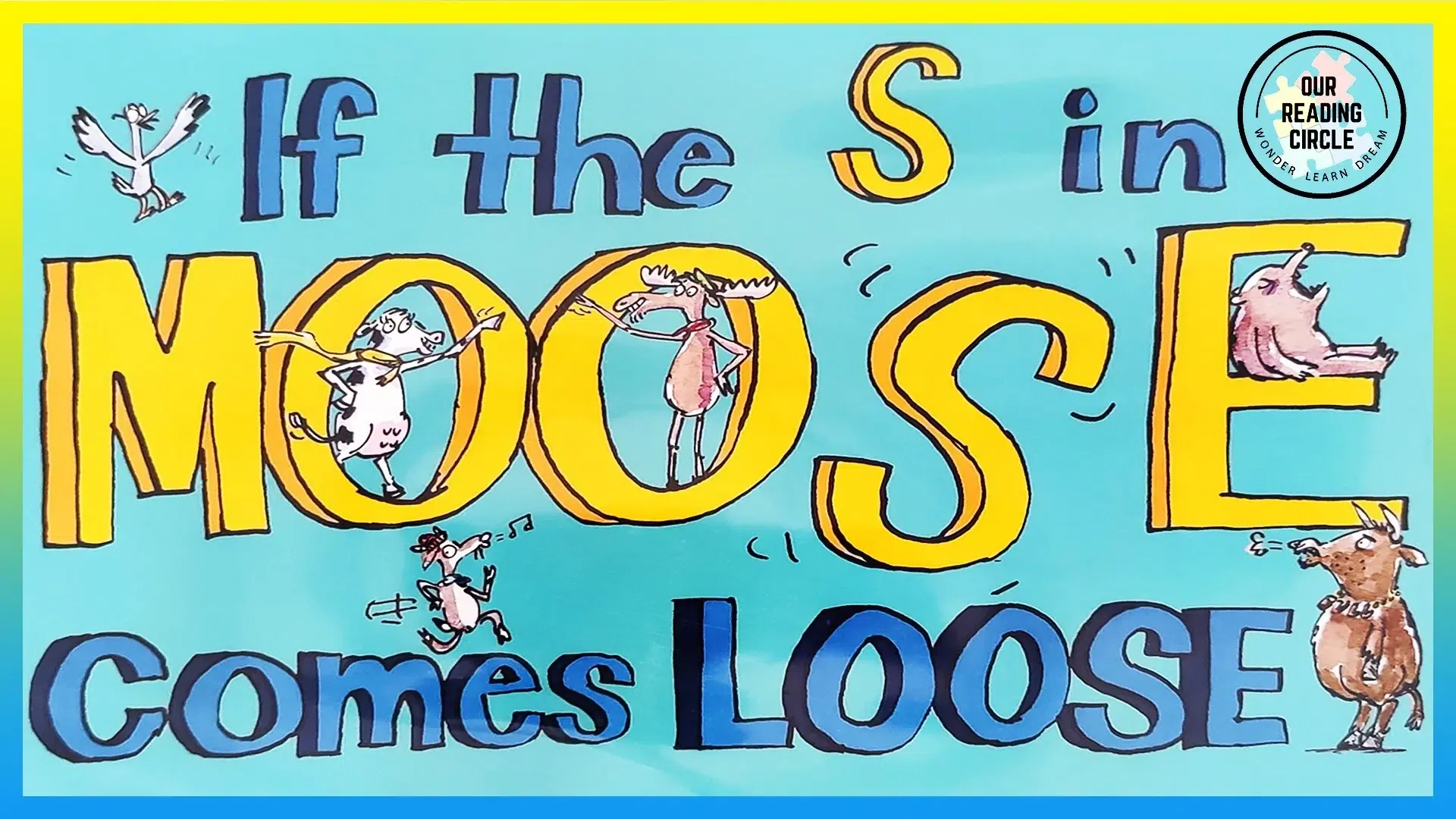
The fit is widest for children who love nonsense with a rule. A listener after plot and conflict may find seven swallows thin; the tension here is the chain itself. For another holiday chain from the same pair, the clover book keeps the swallowing going. For rhyme that plays with letters instead, the moose book lets the S come loose.
Did this read aloud help you find your next bedtime book?

Your support helps us keep adding new read aloud reviews.
Frequently Asked Questions
What is There Was an Old Lady Who Swallowed a Rose! about?
An old lady swallows a rose, then lace, glitter, candy, a jewel, hearts, and a card, each with a rhyming reason that chains back to the first. The refrain returns after every swallow, and the last spread stays a surprise.
Who wrote There Was an Old Lady Who Swallowed a Rose!?
Lucille Colandro wrote the rhyme and Jared Lee drew the pictures, the same pair behind the whole series. Scholastic published the rose in 2012, and the board book edition linked here dates to 2024.
What age is There Was an Old Lady Who Swallowed a Rose! for?
Aim it at Preschool to Pre-K listeners who can hold a repeating pattern and love a chant. Early readers can track the chain on their own, and younger laps enjoy the rhythm without the words.
Is There Was an Old Lady Who Swallowed a Rose! good for read aloud?
Yes. The refrain is short, and one read is enough for your child to own it; each couplet also leaves its last word for them to land, so both of you have a job.
Does There Was an Old Lady Who Swallowed a Rose! have a sequel?
The rose has no sequel of its own, but Colandro and Lee built a whole shelf of swallowing old lady books, from a bat and a bell to leaves and a clover.
Where can I find more fun read alouds?
The fun & imaginative tales category is where this site keeps its nonsense, rhyme, and play titles. The clover and moose books share the same chant-friendly shelf. Browse it when bedtime needs a giggle.